Lead Poisoning in Cats and Dogs: Signs, Symptoms & Prevention
Lead Paint Solutions LLC helps New Jersey homeowners identify lead hazards that may put children, families, and pets at risk. Many people know lead-based paint can be dangerous for children, but fewer realize that cats and dogs can also suffer serious health effects from lead exposure.
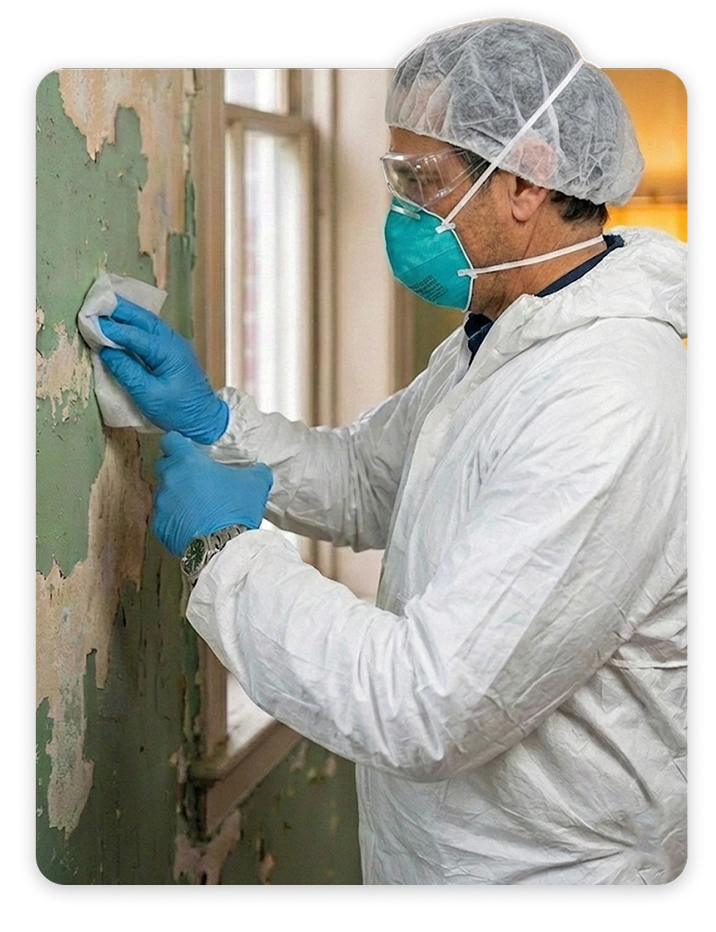
If you live in a home built before 1978, deteriorating lead paint, lead-contaminated dust, and renovation debris can create hidden risks for pets that lick, chew, and explore their surroundings.
What Causes Lead Poisoning in Pets?
Lead poisoning occurs when pets ingest or inhale lead-contaminated materials. Common sources of lead exposure include:
- Lead-based paint in homes built before 1978
- Peeling paint chips
- Lead-contaminated dust
- Home renovation and remodeling projects
- Lead-contaminated soil
- Old plumbing systems
- Paint chips and construction debris
Dogs often become exposed by chewing painted windowsills, doors, trim, or railings. Cats may ingest lead dust while grooming their paws and fur.
Signs of Lead Poisoning in Dogs
Dogs are naturally curious and may chew on painted surfaces that contain lead-based paint.
Common symptoms of lead poisoning in dogs include:
- Vomiting or diarrhea
- Constipation
- Loss of appetite or weight loss
- Excessive drooling
- Tremors or muscle twitching
- Weakness or difficulty walking
- Seizures
- Behavioral changes
In many dogs, digestive symptoms may appear before neurological symptoms.
Signs of Lead Poisoning in Cats
Cats may be less likely to chew painted surfaces, but they can still ingest lead dust while grooming themselves.
Common symptoms of lead poisoning in cats include:
- Loss of appetite
- Weight loss
- Vomiting
- Lethargy
- Increased vocalization
- Hiding or unusual behavior
- Loss of coordination
- Tremors or seizures
Because cats often hide illness, symptoms may not become obvious until lead poisoning has progressed.
When Is Lead Poisoning an Emergency?
Contact a veterinarian immediately if your pet has seizures, becomes weak or disoriented, experiences repeated vomiting, chewed on peeling paint, or was exposed to renovation dust.
Lead poisoning can become a serious medical emergency. Early diagnosis and treatment can make a major difference.
How to Prevent Lead Poisoning in Cats and Dogs
The best way to protect your pets is to reduce the chance of exposure before a problem occurs.
- Keep pets away from peeling paint
- Restrict access to renovation areas
- Clean floors and windowsills regularly
- Remove paint chips immediately
- Repair deteriorating painted surfaces
- Have older homes tested for lead hazards
Why Lead Testing Matters
Many homes throughout New Jersey still contain lead-based paint. Even if painted surfaces appear intact, lead dust and hidden hazards can still put families and pets at risk.
Professional lead testing can help identify hazards before they become a serious problem.
FAQ: Lead Paint and Pets
Can pets get lead poisoning from old paint?
Yes. Pets can ingest lead from paint chips, dust, or contaminated surfaces, especially in older homes built before 1978.
Are dogs or cats more likely to get lead poisoning?
Both can be affected. Dogs may chew painted surfaces, while cats may ingest lead dust during grooming.
Should I test my home for lead if I have pets?
If your home was built before 1978, especially if paint is peeling, chipping, or disturbed during renovations, lead testing is a smart preventive step.
Ready to Protect Your Family and Pets?
Protect your children, your pets, and your home by identifying lead hazards before they become a problem.
Lead Paint Solutions LLC provides professional lead paint inspections, risk assessments, lead testing, and lead-safe compliance services throughout New Jersey.
Pete The Lead Paint Guy
NJ Licensed Lead Inspector
NJ Licensed Risk Assessor