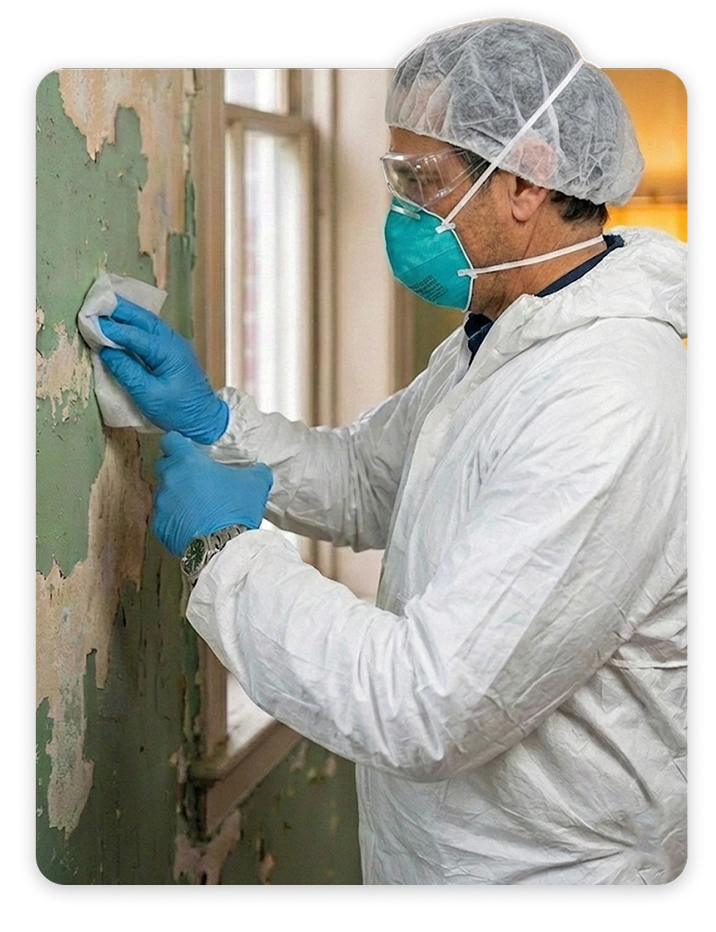

Lead dust exposure is a common but often overlooked risk during home renovations in New Jersey and Philadelphia. Many homeowners believe lead exposure only comes from peeling paint. In reality, renovation work often releases lead dust hidden beneath painted surfaces.
Understanding how lead dust exposure happens helps families take the right precautions before starting a renovation project.
Where Lead Dust Exposure Comes From
Many homes in New Jersey and Philadelphia contain older paint layers that may include lead. When homeowners or contractors disturb walls, trim, doors, or windows, lead dust can enter the air and spread throughout the home.
This dust is often invisible. Even small amounts can create serious health concerns if inhaled or ingested.
Why Lead Dust Exposure Is Especially Dangerous for Children
Children face higher risks from lead dust exposure because their bodies absorb lead more easily. Lead also tastes sweet, which makes accidental ingestion more likely.
Because of these risks, lead safety laws focus heavily on protecting children and pregnant occupants, especially in homes undergoing renovation.
Renovation Activities That Increase Lead Dust Exposure
Common renovation tasks that can cause lead dust exposure include:
- Drilling into painted walls
- Sanding or scraping surfaces
- Removing old trim, doors, or windows
- Cutting painted materials
Even minor home improvement projects can create lead dust exposure when lead-based paint is present.
How Lead Paint Testing Helps Reduce Lead Dust Exposure
Professional lead paint testing helps identify whether lead-based paint is present before or after renovation work. Testing provides clear information so homeowners can make informed decisions about safety and next steps.
By addressing lead dust exposure early, families can reduce health risks and avoid unnecessary stress during renovation projects.
Get Clear Answers Before You Renovate
If you live in an older home in New Jersey or Philadelphia and plan to renovate, speaking with Lead Paint Solutions, LLC helps you understand potential lead dust exposure and how to manage it safely.
Clear guidance and testing help protect your family and provide peace of mind throughout the renovation process. Contact us by calling 856-840-3029 or by filling out our contact form.
FAQ – Lead Dust Exposure During Renovations
Can lead dust exposure happen even if paint looks intact?
Yes. Lead dust exposure can occur when hidden paint layers are disturbed during renovation work.
Are small home projects risky for lead dust exposure?
Yes. Even minor projects can create lead dust exposure if lead-based paint is present.
Why are children more affected by lead dust exposure?
Children absorb lead more easily, which increases the risk of long-term health effects.
Should homeowners test for lead before renovating?
Yes. Testing helps identify lead risks and allows homeowners to take appropriate safety measures.
Protect Your Family During Renovations
Lead dust exposure can happen even in small home projects and it poses serious risks, especially to children and pregnant occupants. Before you start your renovation, make sure you have clear answers about lead risks and testing.
Lead Paint Solutions LLC helps homeowners in New Jersey and Philadelphia understand lead hazards and take the right safety steps.
Call Pete the Lead Paint Guy at 856-840-3029 for expert guidance and peace of mind. Get Lead Dust Exposure Protection and Testing Today!